
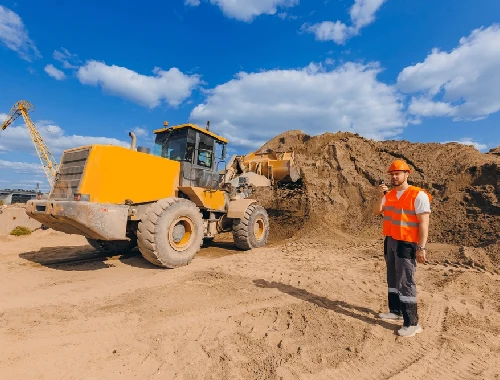
Construction Track-Out Control California
Construction Track-Out Control California
Construction track-out control California starts with one simple truth: it’s easier to prevent dirt and debris from leaving a jobsite than it is to clean up the mess after it spreads. Track-out (soil, aggregate, slurry residue, asphalt grindings, and general debris carried onto public roads) can trigger complaints, slowdowns, and extra labor—especially on busy corridors across the Central Valley, Sacramento region, and the San Francisco Bay Area.
This guide explains how track-out happens, what “good control” looks like in real-world conditions, and how to set expectations with hauling and cleanup partners so your site stays clean, safe, and efficient.
What “track-out” looks like on active sites
Track-out is usually caused by a combination of traffic volume, material conditions, and site layout. Common scenarios include:
- Trucks exiting through soft, unprotected access points
- Wet soil sticking to tires and undercarriages
- Loose aggregate near the gate that gets pulled onto the road
- Milling and paving work where fine material drifts to travel lanes
- Stockpiles or loading zones placed too close to the entrance
- Busy export/import cycles where the entrance becomes a churn zone
It doesn’t take much. A few hours of steady hauling can turn a clean roadway into a gritty strip that gets tracked farther with every passing car.
Why track-out becomes a project risk, fast
Street cleanliness isn’t just “nice to have.” If tracked material reaches public roads, it can create issues that affect schedule and cost:
- Safety concerns for drivers, cyclists, and pedestrians
- Slip hazards from fine dust, mud, or loose rock
- Complaints from neighbors, businesses, or nearby residents
- Extra time spent sweeping and pressure-washing instead of producing work
- Increased wear on nearby pavement and stormwater inlets
- Rework: repeated cleaning if the root cause isn’t fixed
In places like Sacramento, Stockton, Tracy, Modesto, and dense Bay Area corridors, the visibility of a messy roadway can escalate quickly because traffic volumes are higher and public patience is lower.
The real causes: five track-out drivers you can control
1) Entrance design and surface conditions
If the exit is dirt, rutted, or muddy, tires and undercarriages will carry material out. A stable, maintained exit surface reduces the “pickup” that starts the problem.
2) Material placement near the gate
When aggregate, soil, or debris is staged too close to the entrance, it gets run over, crushed, and spread. Even well-run sites can fall into this trap during peak production.
3) Wet conditions and rinse practices
Water is necessary for dust control and compaction, but wetting without planning can turn the exit into a mud conveyor belt. Over-watering near the gate is a common mistake.
4) Truck cycle volume and timing
High frequency export/import cycles amplify every weakness. If the site is moving fast, your controls have to be sized for the pace—especially on night work or weekend push schedules.
5) Communication gaps between crews and dispatch
If drivers don’t know the preferred route, exit point, or where to stage, they’ll improvise. Improvisation at the gate is how track-out gets worse.
A practical track-out control plan that actually works
You don’t need complicated theory. You need a consistent process that keeps the exit clean and stops material from leaving the site.
Step 1: Set up a “clean exit zone”
Treat the entrance/exit as a controlled area, not a pass-through.
- Keep it clear of stockpiles and loose material
- Maintain a stable surface where trucks roll out
- Assign responsibility for monitoring it during peak cycles
- Rework it quickly when ruts form or material accumulates
Step 2: Keep a daily sweep rhythm (not “when someone complains”)
A clean roadway is maintained, not rescued.
- Sweep early if the day starts with heavy export/import
- Sweep again mid-shift during peak hauling
- Sweep at end of shift to reduce overnight spread
- Add extra passes during paving, milling, or slurry-related work
Mechanical sweeping is often effective for heavier debris and grit. Regenerative air sweeping helps with finer material and dust that can remain after basic passes.
Step 3: Control the material at the source
If you only sweep the road, you’ll keep losing the same fight.
- Clean up spills immediately at the loading zone
- Reduce loose material near the gate
- Keep dumping and staging areas away from the entrance when possible
- Use controlled dumping so piles don’t creep into travel paths
Step 4: Balance watering with exit stability
Dust control matters, but over-watering the gate area can increase track-out.
- Apply water where it’s needed for dust control and compaction
- Avoid soaking the exit surface
- Adjust watering patterns during windy afternoons or peak traffic
- Use planned passes rather than random, heavy spraying at the gate
A properly equipped water truck with controlled front/side/rear spray helps crews apply water where it supports operations, not where it creates mud.
Step 5: Build a simple driver communication routine
If you have multiple trucks cycling, communication keeps the exit predictable.
- Confirm the designated exit route and staging area
- Share any changes immediately (new dumping location, revised traffic plan)
- Use dispatch coordination so trucks arrive and exit smoothly
- Minimize “tight turns” and stop-and-go movement at the gate
When hauling teams are coordinated with dispatch and tracking, it’s easier to keep traffic flowing and reduce the churn that causes track-out.
What to ask a hauling and cleanup partner before the job starts
You can avoid headaches by asking a few direct questions upfront:
- How will you coordinate dispatch and communication during peak cycles?
- What’s your plan for keeping the roadway clean during heavy hauling?
- What equipment is available for different debris types (heavier grit vs fine dust)?
- Can your team support night, weekend, or holiday schedules if the project requires it?
- How do you handle quick changes in site conditions (weather, access, staging)?
You’re looking for clarity, not buzzwords. A reliable partner will talk through the reality of the site and match resources to the pace of the job.
Common mistakes that make track-out worse
Even experienced teams fall into these patterns:
- Waiting too long to sweep, then chasing spread debris
- Over-watering near the gate and creating a mud pickup zone
- Placing stockpiles too close to the entrance “just for today”
- Not assigning accountability for exit monitoring
- Letting trucks improvise routes and staging due to unclear direction
- Treating track-out as a cleanup task instead of a prevention task
If you fix the pattern, the roadway stays cleaner with less effort.
Local jobsite reality: why consistency matters in California corridors
Across California—especially in the Central Valley, Sacramento area, and the Bay Area—projects often run on tight windows. Night work, weekend pushes, and fast-paced cycles can make cleanliness harder, not easier. The key is building a repeatable plan that scales with production.
When your exit zone is stable, your sweep rhythm is consistent, and your hauling coordination is clear, street cleanliness becomes part of normal operations—not a daily emergency.
A practical next step with Sekhon & Son Trucking
If your project needs coordinated hauling and jobsite support, Sekhon & Son Trucking provides operated dump trucks (with drivers) and additional jobsite equipment including mechanical sweepers, regenerative air sweepers, and water trucks—supported by 24/7 dispatch and GPS-based coordination.
For work in the Central Valley, Sacramento region, and the San Francisco Bay Area, reach out to Sekhon & Son Trucking with your job location, material type, and schedule. You’ll get a clear plan for keeping hauling efficient and the surrounding roadway cleaner throughout the project.